Scaffolding Safety: How AI Prevents Workplace Accidents
Jennifer Park
Safety & Compliance Director
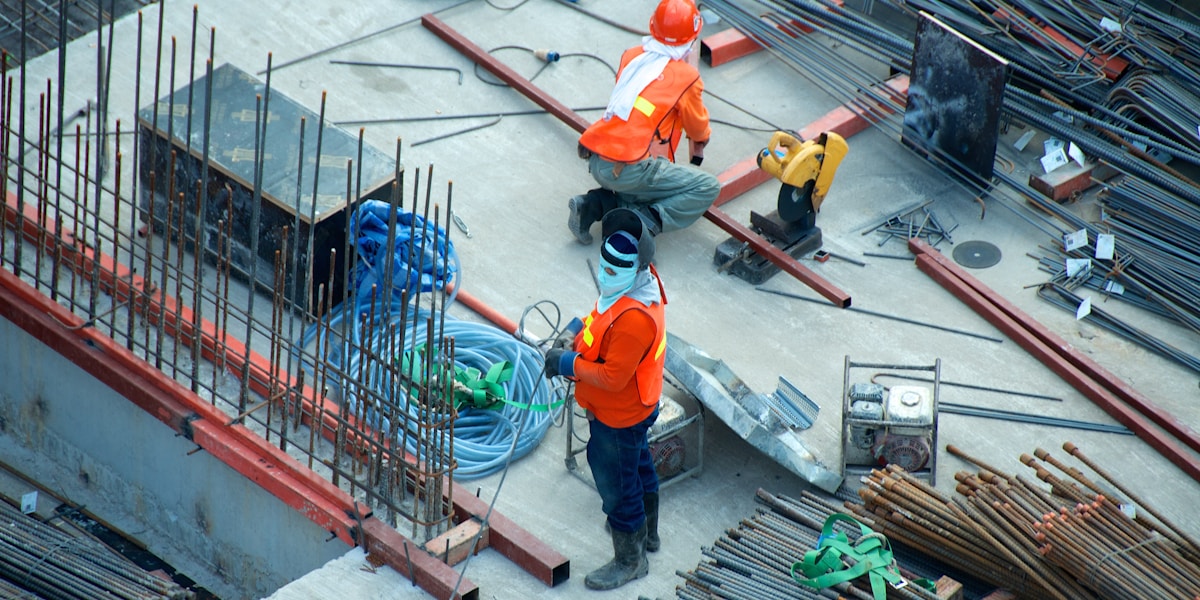
The Sobering Reality of Construction Falls
Falls are the leading cause of death in the construction industry, accounting for over 35% of all fatalities. In the United States alone, approximately 300 workers die each year from fall-related incidents, with thousands more suffering serious injuries.
Scaffolding accidents represent a significant portion of these tragedies. Despite strict regulations and safety protocols, workers continue to fall from elevated platforms—often with devastating consequences.
Why Traditional Safety Measures Fall Short
Construction sites rely on a combination of safety measures to protect workers:
- Personal protective equipment (PPE)
- Safety training and certifications
- Regular inspections
- Safety officers and supervisors
- Regulatory compliance checks
Yet accidents continue to happen. Why?
Human Limitations
- Fatigue: Workers on long shifts may forget safety protocols
- Complacency: Experienced workers may take shortcuts
- Distraction: Busy sites create competing priorities
- Limited visibility: Supervisors can't watch everyone simultaneously
Enforcement Gaps
- Inspections are periodic, not continuous
- Safety violations often go unnoticed
- Real-time intervention isn't always possible
- Documentation is reactive, not preventive
Enter AI-Powered Safety Monitoring
Artificial intelligence is transforming scaffolding safety from reactive compliance to proactive prevention. Our ScaffoldWatch system uses advanced computer vision to monitor workers in real-time, identifying hazards before accidents occur.
How It Works
Continuous Monitoring
Unlike periodic inspections, AI cameras provide 24/7 surveillance of scaffolding areas. Every worker, every moment, is observed.
PPE Detection
The AI instantly recognizes whether workers are wearing required safety equipment:
- Hard hats
- Safety harnesses
- High-visibility vests
- Safety glasses
- Proper footwear
Behavioral Analysis
Beyond equipment, the AI monitors worker behavior:
- Proper harness attachment points
- Safe positioning on platforms
- Correct use of access points (ladders, stairs)
- Dangerous leaning or overreaching
Hazard Recognition
The system identifies environmental dangers:
- Missing guardrails or toe boards
- Unsecured scaffolding components
- Overcrowded platforms
- Weather-related risks
Real-Time Alerts Save Lives
When the AI detects a safety violation, the response is immediate:
This real-time intervention means hazards are corrected before they cause injuries—not documented after the fact.
Case Study: 67% Reduction in Safety Incidents
A major international scaffolding contractor implemented ScaffoldWatch across 15 construction sites. The results over 18 months:
- 67% reduction in safety incidents
- Zero fatalities (compared to industry average)
- 89% improvement in PPE compliance
- 45% decrease in near-miss events
- Significant reduction in insurance premiums
Key Success Factors
- Workers knew they were being monitored, improving compliance
- Supervisors received actionable alerts, enabling quick intervention
- Trend analysis identified chronic problem areas
- Documentation supported ongoing training improvements
The Psychology of Visible Safety Monitoring
Interestingly, the presence of AI monitoring has a powerful psychological effect. When workers know they're being observed:
- Compliance increases naturally without confrontation
- Safety becomes habitual rather than occasional
- Peer accountability emerges as teams self-correct
- Culture shifts toward safety as a core value
This isn't about surveillance as punishment—it's about creating an environment where safe behavior is the default.
Regulatory Compliance Made Simple
Construction companies face extensive regulatory requirements around scaffolding safety. AI monitoring simplifies compliance:
Automated Documentation
- Every safety check is logged automatically
- Violations are time-stamped and photographed
- Corrective actions are tracked
- Reports are generated for regulatory review
Audit Readiness
- Historical data is always available
- Trend analysis shows continuous improvement
- Evidence of proactive safety measures
- Defense against liability claims
Training Insights
- Identify which safety topics need reinforcement
- Recognize high-risk workers who need additional support
- Measure effectiveness of training programs
- Customize instruction based on actual site behavior
Beyond Falls: Comprehensive Safety Monitoring
While fall prevention is the primary focus, AI safety systems can monitor additional hazards:
Struck-By Incidents
- Detecting workers in crane swing zones
- Monitoring material handling areas
- Identifying unsecured loads
Caught-Between Hazards
- Workers near moving equipment
- Confined space monitoring
- Pinch point awareness
Electrical Safety
- Proximity to power lines
- Proper lockout/tagout procedures
- Wet conditions near electrical equipment
Implementation Best Practices
Successfully deploying AI safety monitoring requires thoughtful implementation:
1. Worker Buy-In
- Communicate the protective purpose clearly
- Involve workers in the implementation process
- Address privacy concerns transparently
- Celebrate safety improvements publicly
2. Integration with Existing Programs
- Complement, don't replace, human safety officers
- Align with existing training curricula
- Connect to incident reporting systems
- Support toolbox talks with real data
3. Continuous Improvement
- Review alert data regularly
- Adjust sensitivity based on site conditions
- Update AI models as new hazards emerge
- Share learnings across projects
The Future of Construction Safety
AI-powered safety monitoring is just the beginning. Emerging technologies will further transform the industry:
- Wearable integration: Smartwatches and sensors that communicate with AI systems
- Predictive analytics: Identifying high-risk situations before they develop
- Augmented reality: Real-time safety guidance through smart glasses
- Autonomous safety responses: Automated shutdown of equipment when hazards are detected
The Moral Imperative
Every construction worker deserves to go home safely at the end of each day. While regulations set minimum standards, technology allows us to aim higher.
AI safety monitoring isn't about compliance—it's about saving lives. When we have the tools to prevent accidents, using them becomes a moral obligation.
Conclusion
Scaffolding safety has relied on the same basic approaches for decades: training, equipment, and inspections. AI monitoring represents a fundamental shift—from hoping workers stay safe to actively ensuring they do.
The technology exists today to dramatically reduce falls and other construction accidents. The question for site managers and company leaders is simple: Can we afford not to use it?
Ready to transform safety at your construction sites? Contact us to learn how ScaffoldWatch can protect your workers.
Share this article